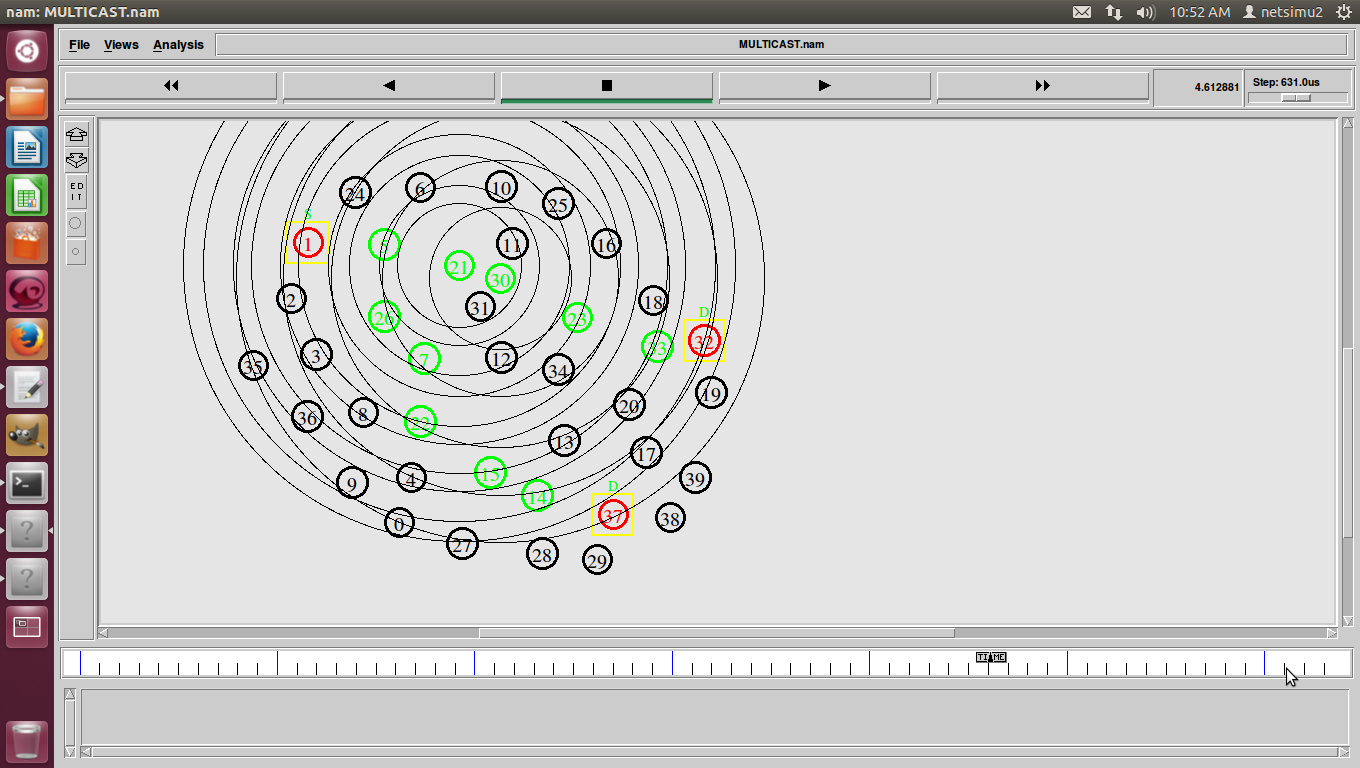
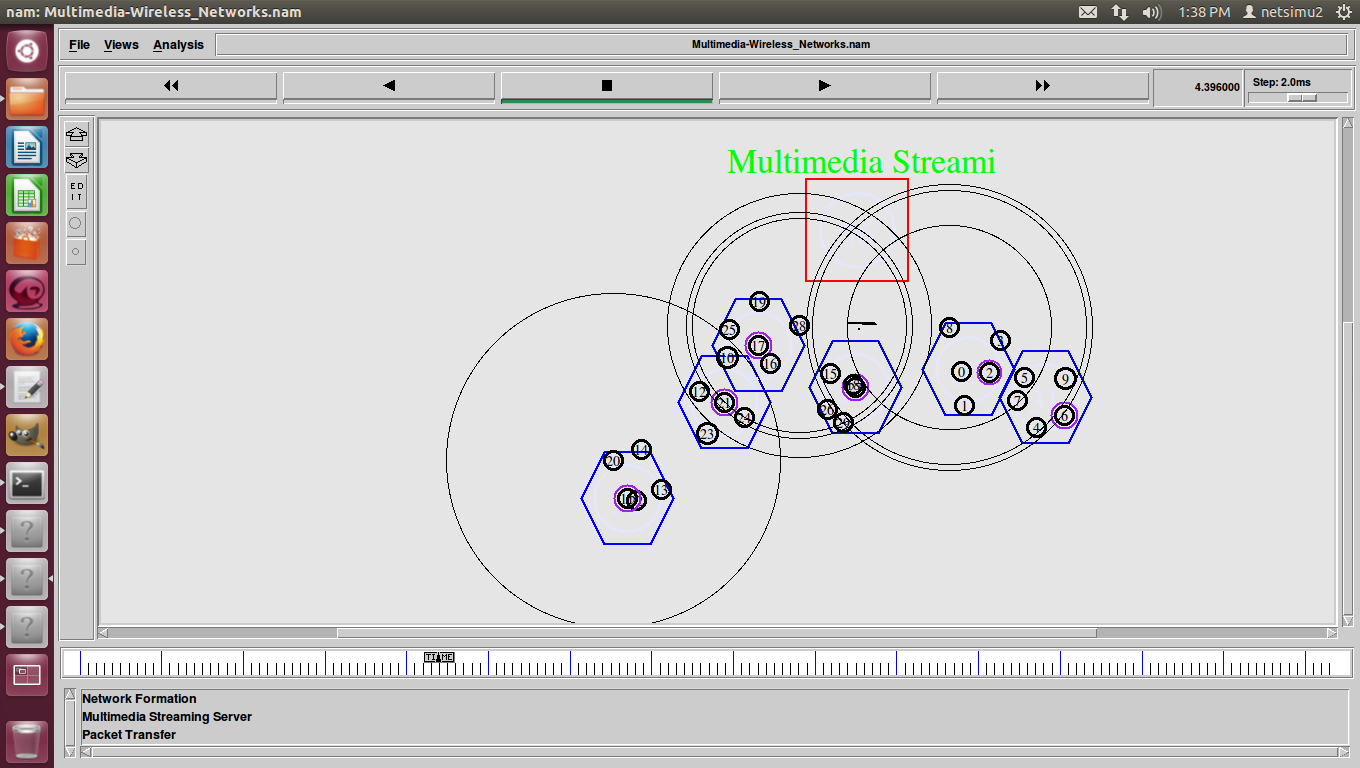
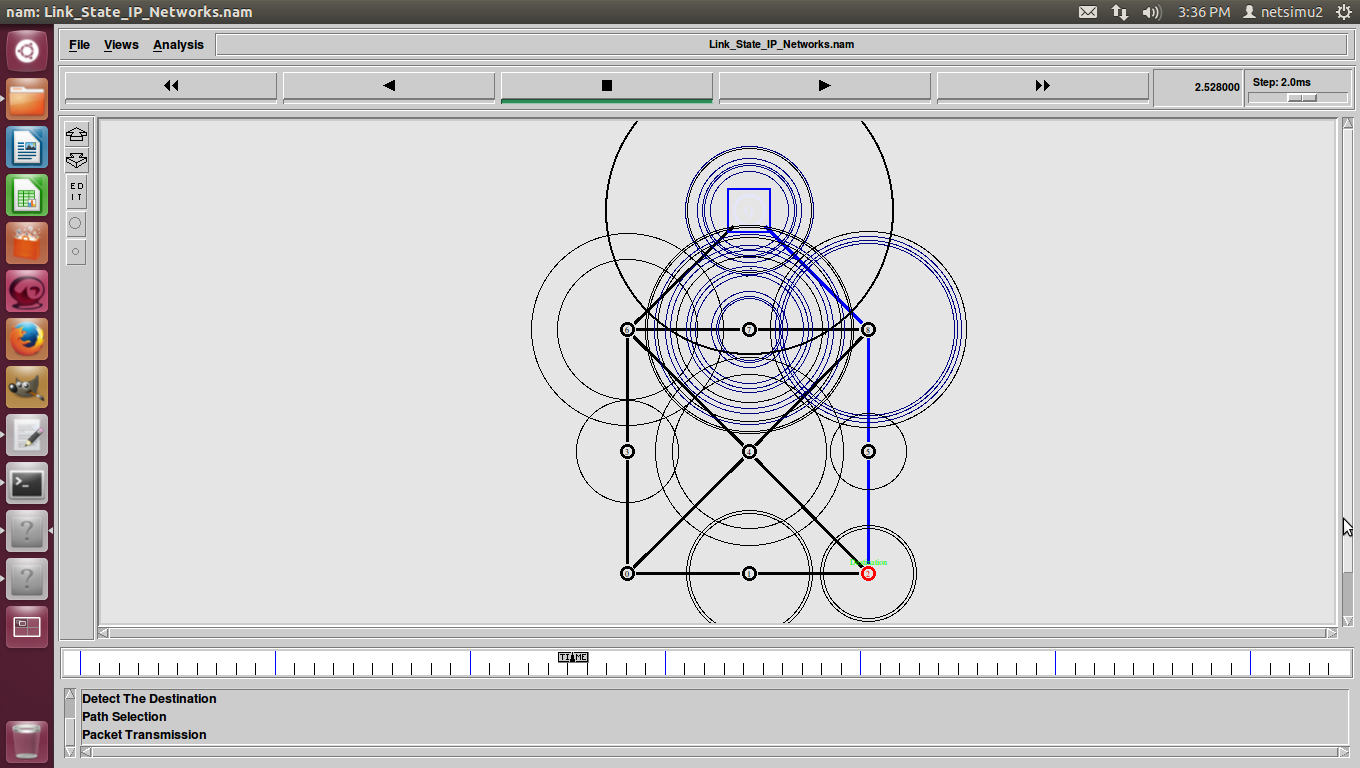
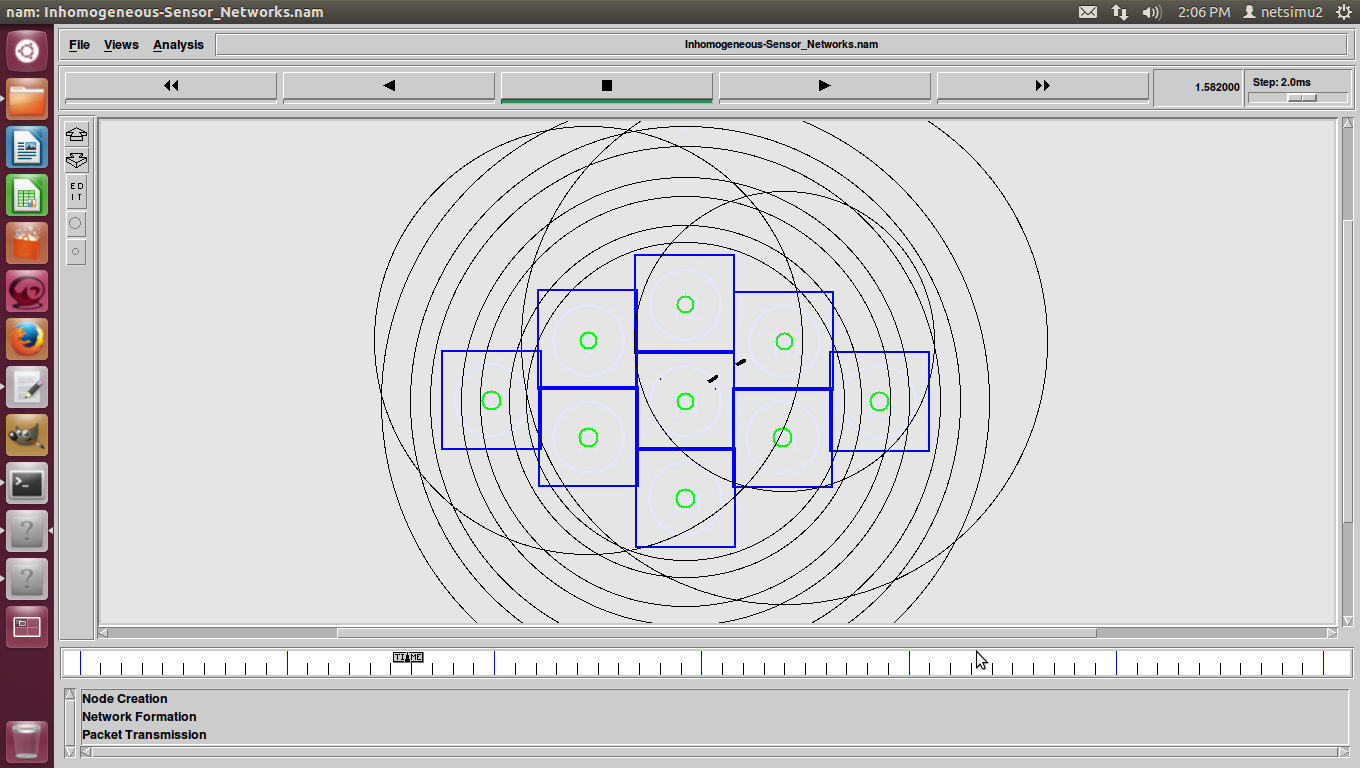
Ns2 Video Streaming Projects – How to create Video-Streaming Projects using Ns2.
What is video-streaming?
- Streaming-media is video-data transmitted over a computer network for immediate playback rather than for file download and later (offline) playback.
- Examples of streaming-video include Internet television broadcasts, and corporate webcasts.
Challenges Faced in video-projects:
- Power control system.
- Scheduling for video streaming.
- Traffic modeling and prediction for video-scheduling.
- Congestion coherence.
- Server replication.
- Multiple descriptive coding etc.
Benefits of Ns-2 Video Projects
- Can control your messages.
- Can be very engaging.
- There is no need for waiting until completion of downloading the videos.
- Instant playback.
- Privacy protection.
- Reaching out to a real-time audience who has opted-in to watch.

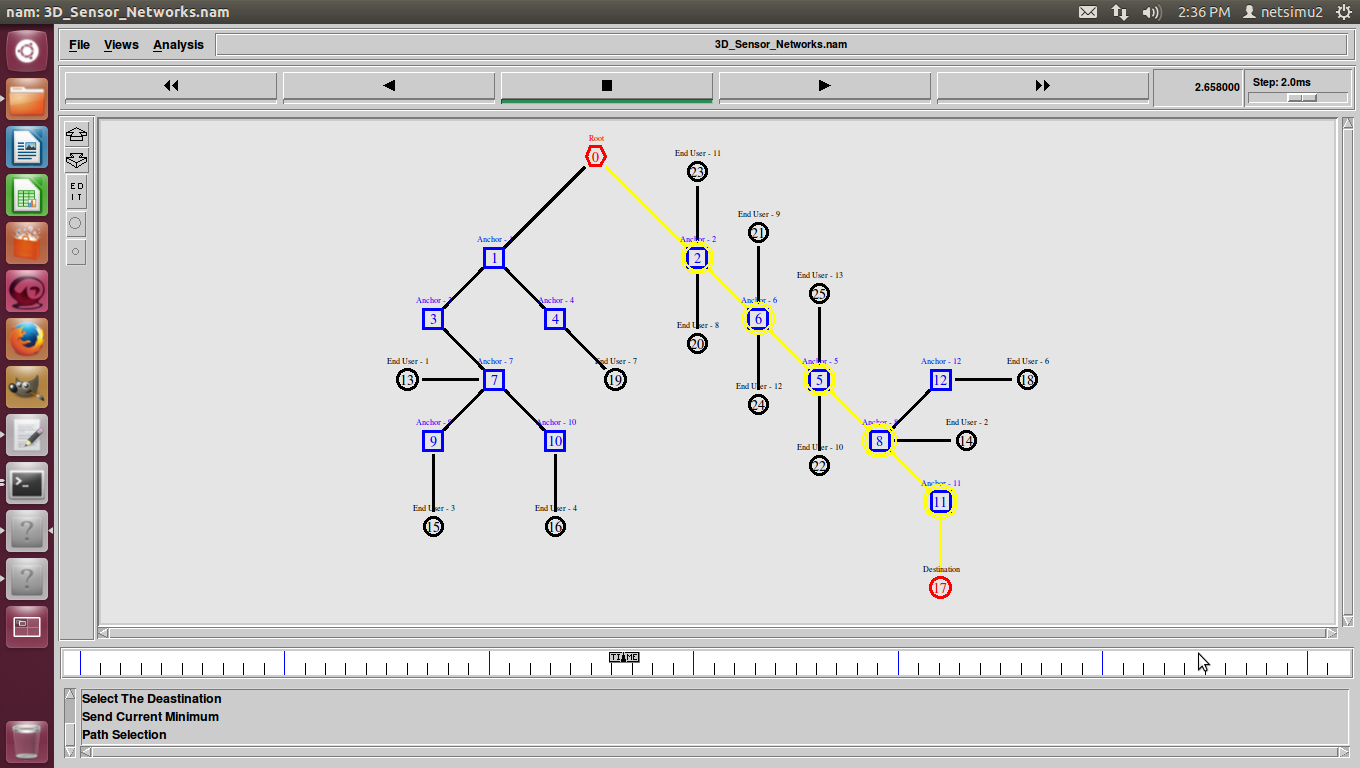
Architecture-of-Ns2-video-streaming-Projects
Sample Ns-2-code for Video-streaming Projects
#include "ns-process.h"

static class ProcessClass : public TclClass {
 public:
	ProcessClass() : TclClass("Process") {}
	TclObject* create(int, const char*const*) {
		return (new Process);
	}
} class_process;

void Process::process_data(int, AppData*)
{
	abort();
}

void Process::process_data_buffer(int, AppData*,int,int)
{
	printf("hola1 process\n");
	abort();
	printf("hola2");
}


AppData* Process::get_data(int&, AppData*)
{
	abort();
	/* NOTREACHED */
	return NULL; // Make msvc happy
}

int Process::command(int argc, const char*const* argv)
{
	Tcl& tcl = Tcl::instance();
	if (strcmp(argv[1], "target") == 0) {
		if (argc == 2) {
			Process *p = target();
			tcl.resultf("%s", p ? p->name() : "");
			return TCL_OK;
		} else if (argc == 3) {
			Process *p = (Process *)TclObject::lookup(argv[2]);
			if (p == NULL) {
				fprintf(stderr, "Non-existent media app %s\n",
					argv[2]);
				abort();
			}
			target() = p;
			return TCL_OK;
		}
	}	return TclObject::command(argc, argv);}
Tweet